
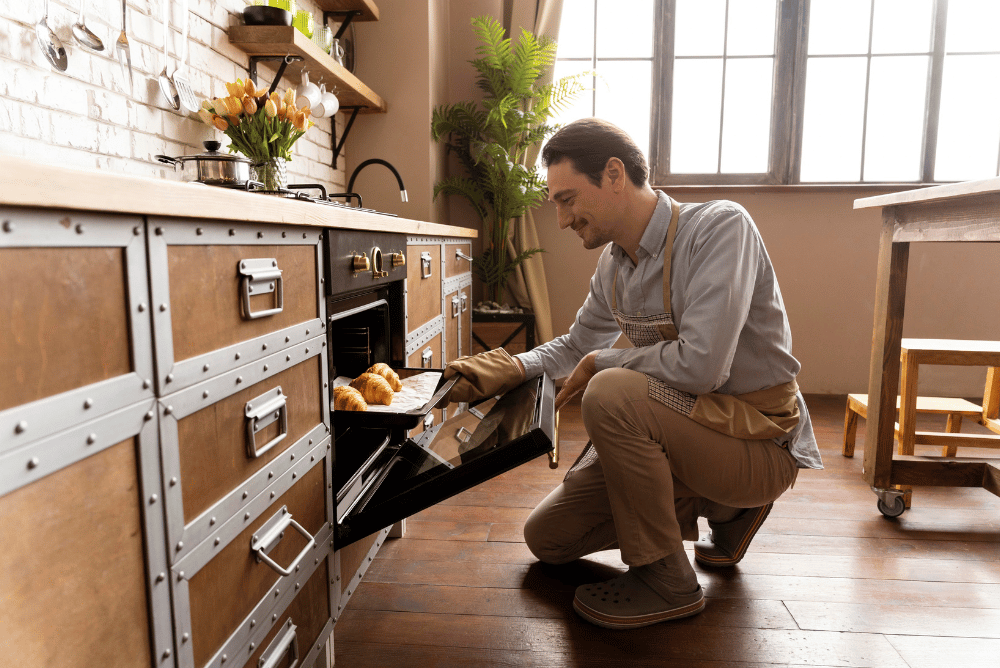
A DCS warming drawer is a fantastic addition to any kitchen, offering convenience and versatility by keeping your food warm until you’re ready to serve. However, like any appliance, it requires proper care and maintenance to ensure it continues performing reliably over time. By following a few essential tips, you can extend the life of your warming drawer and avoid common issues that may arise. In this guide, we’ll walk you through the best practices for cleaning, using, and maintaining your DCS warming drawer.
1. Regular Cleaning for Optimal Performance
Keeping your DCS warming drawer clean is crucial to ensuring its longevity and maintaining consistent performance. Over time, crumbs, grease, and food spills can accumulate inside, potentially leading to odors or uneven heating.
How to Clean the Warming Drawer:
- Unplug the Appliance: Always turn off and unplug the warming drawer before cleaning to ensure safety.
- Clean the Interior: Wipe down the interior with a soft cloth and mild, non-abrasive cleaner. Avoid using harsh chemicals or abrasive scrubbers that could damage the interior surfaces.
- Remove and Clean the Rack: If your warming drawer has a rack, remove it and wash it with warm, soapy water. Be sure to dry it thoroughly before placing it back.
- Clean the Exterior: Wipe the exterior with a soft cloth and a mild cleaner that’s safe for stainless steel (if applicable). For a polished finish, use a stainless steel cleaner to remove fingerprints and water spots.
2. Use the Warming Drawer for Appropriate Foods
A warming drawer is designed for holding food at a consistent, low temperature until you’re ready to serve. To ensure you’re using it effectively, it’s essential to avoid overloading the drawer or using it for foods that could spoil if not kept at the correct temperature.
Best Practices for Using the Warming Drawer:
- Use for Proper Foods: Warming drawers are ideal for keeping pre-cooked foods, such as rolls, bread, casseroles, and meats, warm. Avoid using it for raw food or food that requires cooking.
- Avoid Overloading: Overloading the drawer can lead to uneven heating and stress on the appliance. Ensure there’s enough space for air to circulate around the food.
- Set the Correct Temperature: DCS warming drawers typically have a temperature range from 90°F to 230°F. For best results, use the appropriate setting for the type of food you’re keeping warm (usually around 140°F for most foods).
3. Keep the Drawer Vent and Heating Elements Clean
To maintain the efficiency of your warming drawer, it’s important to regularly clean the vents and heating elements. These components can accumulate dust and grease, which may affect the appliance’s performance.
How to Clean the Vents and Heating Elements:
- Turn Off and Unplug the Warming Drawer: Always disconnect the power supply before cleaning.
- Clean the Vents: Check the vents at the back or sides of the warming drawer for any obstructions. Use a vacuum cleaner with a hose attachment or a dry cloth to remove dust and debris from the vents.
- Inspect and Clean the Heating Elements: If your warming drawer has visible heating elements, gently wipe them down with a soft, damp cloth. Be sure to let them dry completely before using the drawer again.
4. Avoid Using Harsh Cleaners or Chemicals
While it’s important to clean your warming drawer regularly, using the wrong cleaning products can damage the appliance over time. Harsh chemicals, abrasives, or steel wool pads can scratch or corrode the surfaces, reducing the lifespan of the appliance.
What to Avoid:
- Avoid Abrasive Cleaners: Never use abrasive cleaning agents or steel wool pads on the interior or exterior of the warming drawer. These can scratch surfaces and cause permanent damage.
- Avoid Harsh Chemicals: Skip cleaners with ammonia or bleach, which can be too harsh for the delicate components of the appliance. Opt for a mild cleaner or a vinegar-water solution for a safe and effective cleaning solution.
5. Maintain the Drawer’s Seals and Gaskets
The door seal or gasket plays a crucial role in keeping heat inside the warming drawer and ensuring its efficiency. If the gasket is damaged or dirty, it can cause heat loss, leading to uneven warming and increased energy consumption.
How to Care for the Gasket:
- Inspect Regularly: Periodically check the gasket around the door for signs of wear, cracks, or food buildup. A damaged gasket can be replaced to restore optimal performance.
- Clean the Gasket: Wipe the gasket gently with a damp cloth to remove any food residue or dirt. Be sure not to damage the seal during cleaning, as it is essential for maintaining consistent heat.
6. Ensure Proper Ventilation
Proper ventilation is critical for the efficient operation of your DCS warming drawer. If the appliance is installed in a confined or poorly ventilated space, it may overheat and fail to perform properly.
How to Ensure Proper Ventilation:
- Avoid Obstructing Vents: Make sure the warming drawer’s vents are not blocked by other kitchen items. Allow for adequate air circulation around the appliance for the best results.
- Install Correctly: If you’re installing or relocating your warming drawer, ensure that it’s placed in a well-ventilated area with enough space around it for heat to escape.
7. Turn Off the Drawer When Not in Use
While it may seem convenient to leave your warming drawer on all the time, turning it off when not in use can help save energy and prolong the life of the appliance.
Energy-Saving Tips:
- Power Down When Not in Use: Always turn off your warming drawer after each use, especially if it won’t be needed for an extended period.
- Consider a Timer: Some models come with a built-in timer that can automatically shut off the appliance after a set time. If your warming drawer has this feature, use it to avoid unnecessary power consumption.
Conclusion
Your DCS warming drawer is a reliable and versatile kitchen appliance that, with the right care and maintenance, can serve you for many years. Regular cleaning, proper usage, and careful attention to details like the door seal and heating elements will ensure that it continues to perform at its best. By following these tips, you’ll extend the life of your warming drawer and make sure it’s always ready to keep your meals at the perfect temperature.